

Results

Education > Accommodations
Standardized Testing Accommodations: Making Sure Your Child's IEP Supports Transfer to State Tests
IEP accommodations don't transfer automatically to state tests. Learn which ones do, timelines for requests, and parent rights when denied.
Education > Accommodations
Sensory Accommodations Checklist: What to Request for Autism, ADHD, and SPD
Specific sensory accommodations by category with IEP-ready language for autism, ADHD, and sensory processing disorder.
Education > Accommodations
What to Do When Your Child's Teacher Isn't Implementing IEP Accommodations
How to verify implementation, document strategically, and escalate through the right legal channels when accommodations aren't applied.
Education > Accommodations
Section 504 Plans Explained: When Your Child Needs Support But Does Not Qualify for an IEP
Who qualifies for a 504 plan, what conditions it covers, the step-by-step process, and what to do when accommodations aren't followed.
Education > Accommodations
The Complete Assistive Technology Guide for School: From Pencil Grips to AAC Devices
The full spectrum of assistive technology for students with disabilities, how to request an AT evaluation, and funding when schools resist.
Education > Accommodations
Accommodations vs Modifications: What Every Parent Must Know Before the IEP Meeting
The key difference between accommodations and modifications, and how each affects diploma options and college eligibility.

Education > Accommodations
Safety-Care: Making Least Restrictive Interventions Available.
QBS's Safety-Care program teaches least restrictive interventions for individuals with special needs to handle disruptive behaviors.

Education > Accommodations
Go to Pro Answering Your Questions: Do All Autistic Learners Require Special Needs Assistance?
Whether autistic learners need special assistance depends on their individual abilities and challenges.
Education > Accommodations
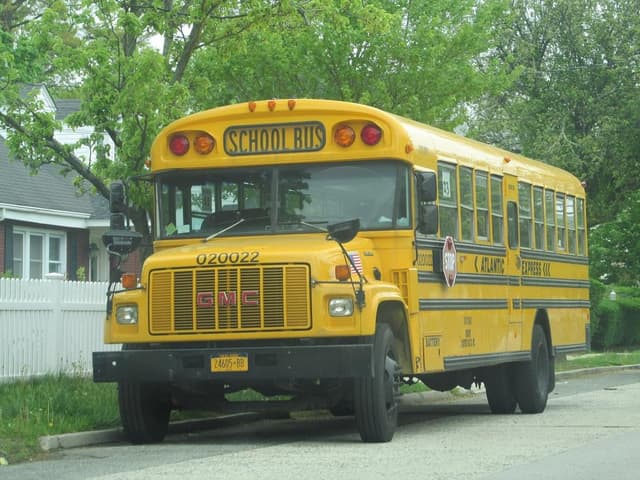
Go to Pro Answering Your Questions: 504 Plans and Transportation
Under a 504 Plan, eligible students with disabilities may receive school bus transportation if nondisabled peers do.
Education > Accommodations
Go to Pro Answering Your Questions: Placement for Language Based Learning Disabled (LBLD) Student
Parent queries if it's appropriate for a school to place their LBLD son in a class for those with emotional/behavioral issues.
Education > Accommodations
Is Karate in Your Child's IEP?
Discussing the inclusion of karate in a child's IEP for school-based benefits like focus, exercise, and behavior improvement.

Education > Accommodations
The Rise of Inclusion Education in the United States
Inclusion education in the U.S. strives to integrate special needs students with their peers, offering benefits and facing challenges.