




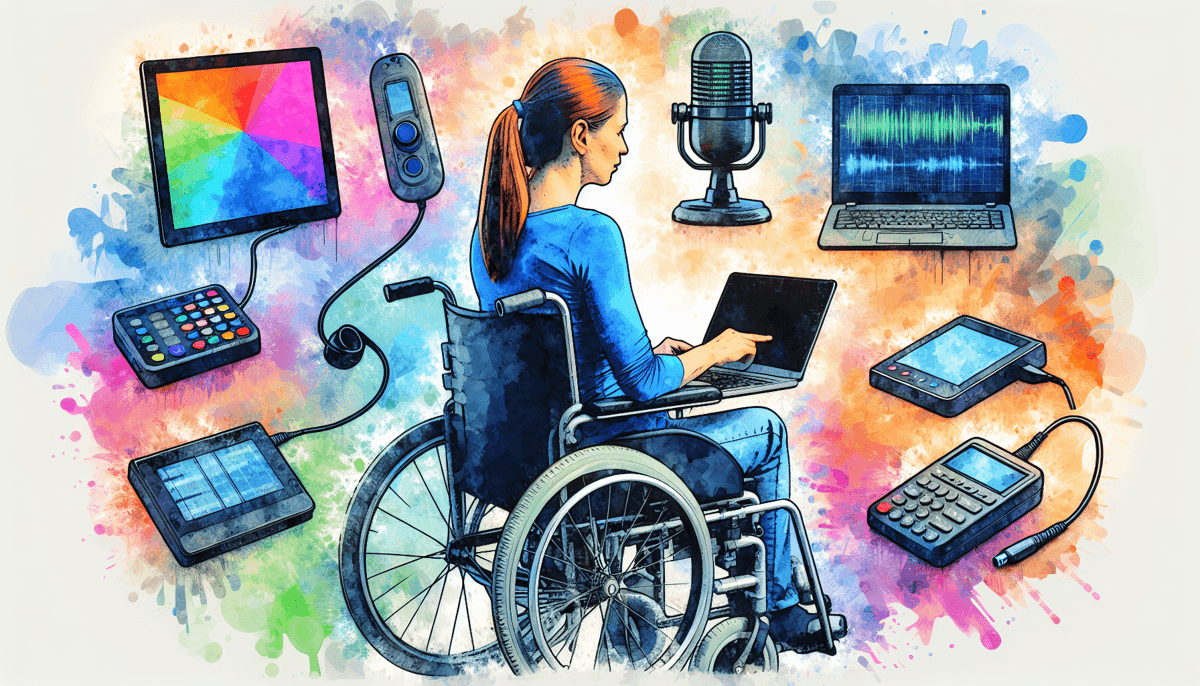
Empowering Individuals with Special Needs through Assistive Technology
Assistive Technology: A Key to Independence
Assistive technology is a powerful tool for individuals with special needs. It can help them perform daily tasks, communicate with others, and participate more fully in life. From simple devices like adapted utensils to complex computer systems, assistive tech comes in many forms to meet a wide range of needs.
For people with mobility impairments, assistive devices like wheelchairs, walkers, and grab bars can make it possible to move around the home and community. Communication aids like picture boards and speech-generating devices give a voice to those who have difficulty speaking. And for individuals with vision or hearing loss, tools like screen readers, magnifiers, and amplified phones are essential.
The benefits of assistive technology go beyond the practical. By increasing independence and enabling participation, these devices also boost confidence and improve quality of life. When people with special needs have the right tools, they're empowered to learn, work, and engage with the world on their own terms.
The Role of Assistive Software
While hardware tends to get more attention, software also plays a crucial role in assistive technology. From apps for communication and scheduling to programs for learning and literacy, these digital tools open up new possibilities.
For example, text-to-speech software can read aloud digital text, which is a game-changer for individuals with reading difficulties or visual impairments. Similarly, speech-to-text programs allow users to dictate their words, making it easier to write emails, essays, and more.
There are also many apps designed to support learning and skill-building for people with cognitive disabilities. These programs often use visual cues, simple language, and step-by-step instructions to teach everything from basic math to social skills. By presenting information in an accessible way, they make it possible for more individuals to grow and thrive.
Choosing the Right Assistive Software
With so many options out there, finding the best assistive software can feel overwhelming. The key is to focus on the specific needs and goals of the individual.
Start by assessing the person's strengths, challenges, and interests. What tasks are they looking to accomplish? What barriers do they face? Answering these questions will help narrow down the choices.
It's also important to consider factors like ease of use, compatibility with other devices, and cost. Many assistive software programs offer free trials, which can be a great way to test them out before committing.
Finally, don't hesitate to reach out for help. Occupational therapists, speech therapists, and other professionals can offer guidance on selecting and implementing assistive technology. They may also be aware of funding sources to help cover the expense.
The Future of Assistive Software
As technology continues to advance, so too will the possibilities for assistive software. Artificial intelligence and machine learning, for instance, have the potential to make these tools even more intuitive and responsive to individual needs.
Imagine a communication app that can predict the words a user wants to say based on their previous conversations. Or a learning program that automatically adjusts its difficulty level as the student progresses. These kinds of adaptive features could be game-changers for people with special needs.
Of course, as exciting as these developments are, it's important to remember that technology is just one piece of the puzzle. Assistive devices work best when they're part of a holistic approach that also includes human support, accommodations, and opportunities for inclusion.
Making Assistive Software Accessible
Despite the many benefits of assistive software, access remains a challenge for some. High costs, lack of awareness, and limited training opportunities can all be barriers to adoption.
That's why advocates are working to make these tools more widely available. This includes pushing for policies that mandate accessibility features in mainstream technology, as well as funding streams to help people acquire the devices they need.
There are also grassroots efforts to spread the word about assistive software and provide support for users. Online forums, local meetups, and mentorship programs can all be valuable resources for individuals and families navigating this landscape.
Empowering All Individuals
At the end of the day, assistive software is about more than just technology. It's about empowering individuals with special needs to live their fullest lives.
When people have the tools they need to communicate, learn, and engage with the world, they're better able to pursue their dreams and contribute their talents to society. And that benefits all of us.
So let's keep pushing forward - advocating for access, spreading awareness, and developing ever-better tools to support people with special needs. Together, we can create a more inclusive world where everyone has the opportunity to thrive.

