




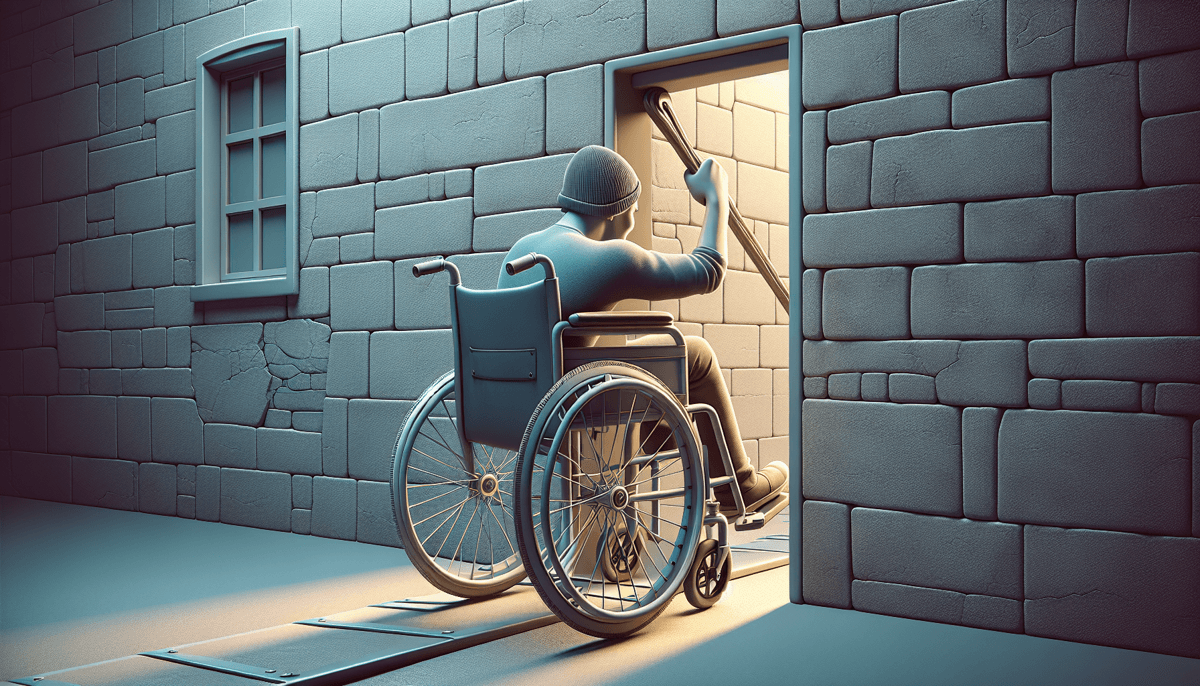
Navigating Inaccessible Buildings and Workspaces: A Guide for People with Special Needs
Accessibility is a fundamental right for everyone, yet many buildings and workspaces remain inaccessible to people with special needs. Inaccessible environments can create significant barriers to education, employment, and social participation. This article explores the challenges faced by individuals with disabilities in navigating inaccessible spaces and provides practical strategies for overcoming these obstacles.
Understanding Accessibility Standards
Accessibility standards, such as the Americans with Disabilities Act (ADA) in the United States, provide guidelines for designing and constructing accessible buildings and workspaces. These standards cover various aspects of accessibility, including:
- Entrances and exits
- Ramps and elevators
- Doorways and hallways
- Restrooms and drinking fountains
- Signage and communication systems
Despite these standards, many buildings and workspaces still fall short of accessibility requirements. According to the Centers for Disease Control and Prevention (CDC), approximately 61 million adults in the United States live with a disability, and many face barriers to accessibility in their daily lives.
Common Accessibility Barriers
Inaccessible buildings and workspaces can present a range of barriers for people with special needs. Some common accessibility issues include:
- Lack of ramps or elevators: Buildings without ramps or elevators can be impossible to navigate for individuals with mobility impairments.
- Narrow doorways and hallways: Doorways and hallways that are too narrow can prevent wheelchair users from accessing certain areas.
- Inaccessible restrooms: Restrooms without accessible stalls, sinks, or grab bars can be difficult or impossible for people with disabilities to use.
- Inadequate signage: Buildings without clear, accessible signage can be challenging for individuals with visual impairments to navigate.
- Lack of assistive technology: Workspaces that do not provide assistive technology, such as screen readers or hearing loops, can create barriers for employees with disabilities.
Strategies for Navigating Inaccessible Spaces
While advocating for improved accessibility is crucial, individuals with special needs often need to find ways to navigate inaccessible spaces in their daily lives. Some strategies for overcoming accessibility barriers include:
- Planning ahead: Research the accessibility of a building or workspace before visiting, and contact the facility to discuss accommodations if necessary.
- Utilizing assistive devices: Make use of mobility aids, such as wheelchairs, walkers, or canes, to navigate inaccessible spaces more easily.
- Seeking assistance: Don't hesitate to ask for help from friends, family members, or building staff when facing accessibility challenges.
- Advocating for change: Report accessibility issues to building managers or employers, and advocate for improvements to be made.
- Finding alternative solutions: When an inaccessible space cannot be made accessible, explore alternative options, such as remote work or virtual meetings.
The Role of Employers and Building Managers
Employers and building managers play a critical role in ensuring accessibility for people with special needs. Some steps they can take include:
- Conducting accessibility audits to identify and address barriers
- Providing reasonable accommodations for employees with disabilities
- Ensuring that new construction and renovations meet accessibility standards
- Training staff on disability awareness and assistive technology
- Collaborating with disability organizations to improve accessibility policies and practices
The U.S. Equal Employment Opportunity Commission (EEOC) provides guidance for employers on providing reasonable accommodations and creating accessible workplaces.
Advocating for Accessibility
While navigating inaccessible spaces can be challenging, advocating for improved accessibility is essential for creating a more inclusive society. Some ways to advocate for accessibility include:
- Supporting organizations that promote disability rights and accessibility
- Participating in local government meetings and advocating for accessible public spaces
- Sharing personal experiences with inaccessibility to raise awareness
- Encouraging employers and building managers to prioritize accessibility
- Collaborating with other disability advocates to push for systemic change
Organizations such as the American Association of People with Disabilities (AAPD) and the National Disability Rights Network (NDRN) provide resources and support for accessibility advocacy efforts.
Conclusion
Navigating inaccessible buildings and workspaces can be a significant challenge for people with special needs, but with the right strategies and support, it is possible to overcome many accessibility barriers. By advocating for improved accessibility standards, utilizing assistive devices, and seeking accommodations when necessary, individuals with disabilities can work towards a more inclusive and accessible future.
Remember, accessibility is not just a matter of compliance with legal standards – it is a fundamental human right. By working together to create more accessible spaces, we can build a society that values and includes everyone, regardless of their abilities.

