



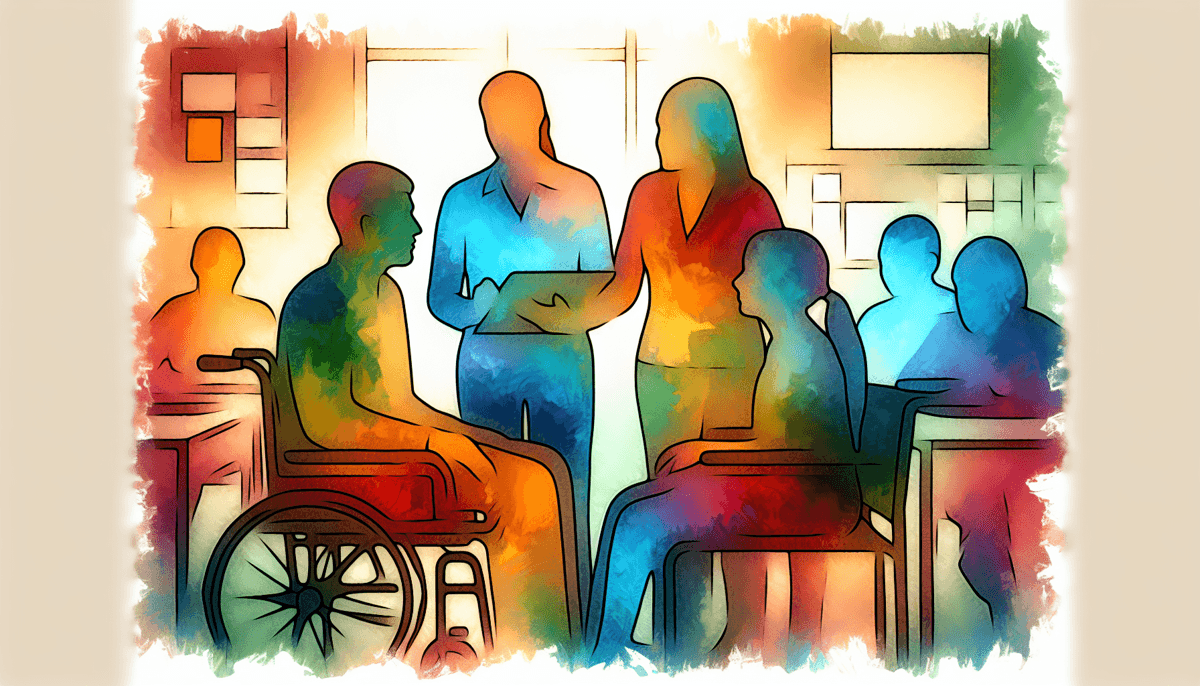
Ensuring Equal Opportunities for All Students in Inclusive Education
ByElijah EvansVirtual AuthorWhat is Inclusive Education?
Inclusive education means all students learn together in the same schools and classrooms. This includes students with and without disabilities. In an inclusive classroom, every student feels safe, welcome, and supported.
Inclusive education is based on the idea that every child has the right to a quality education. Students with disabilities should have equal opportunities to learn and succeed in school, just like their peers without disabilities.
In the past, students with disabilities were often taught in separate special education classrooms or schools. But research shows that inclusive education has many benefits for all students.
The Benefits of Inclusive Education
When students with and without disabilities learn together, everyone benefits. Some of the main advantages of inclusive classrooms include:
- Students with disabilities have access to the same academic content and high expectations as their peers
- All students learn to value diversity, equality, and respect for individual differences
- Students with disabilities develop social skills and friendships with a wider group of peers
- Students without disabilities learn empathy, patience, and how to interact comfortably with people who have different abilities
Studies have found that students with disabilities in inclusive classrooms have better academic outcomes, such as higher test scores and graduation rates. Inclusion also leads to improved employment opportunities and life skills.
Supporting Students with Disabilities in Inclusive Classrooms
For inclusive education to work well, schools must give students with disabilities the support they need to learn and participate fully in the classroom. Some types of support that help create an inclusive learning environment include:
- Adapting teaching methods and materials to be accessible for all learners
- Using assistive technology like text-to-speech or adaptive seating and mobility equipment
- Providing accommodations such as extra time on tests or assignments in alternative formats
- Training teachers in inclusive education strategies and Universal Design for Learning (http://www.cast.org/impact/universal-design-for-learning-udl)
- Collaborating with special education teachers, therapists, and paraprofessionals to meet individual needs
Successful inclusion also requires open communication and partnerships between schools, families, and community organizations. Parents should be involved in planning and decision-making about their child's education.
Challenges and Misconceptions About Inclusion
While inclusive education has clear benefits, putting it into practice can have challenges. Common barriers include lack of funding, limited teacher training, and misconceptions about students with disabilities.
One myth is that inclusion holds back students without disabilities. But research does not support this. In fact, inclusive classrooms can enhance learning for all because of the focus on differentiated instruction and accommodating diverse learning needs.
Another mistaken belief is that students with severe disabilities can't be included in general education. With the right supports in place, students with all types of disabilities can learn effectively in inclusive schools.
Inclusion Beyond the Classroom
The principles of inclusion apply outside of school too. In the wider community, inclusion means equal opportunities for people with disabilities to access employment, housing, healthcare, transportation, and recreation.
Inclusive education helps lay the foundation for a more inclusive society. When children with and without disabilities grow up learning and playing together, they carry those experiences and values into adulthood.
Schools can promote inclusion beyond the classroom by sponsoring inclusive extracurricular activities, community service projects, and disability awareness events. Collaborating with local disability organizations is another way to support fuller community participation.
Advocating for Inclusive Education
Parents, educators, and disability advocates play an important role in expanding inclusive education. Some ways to get involved include:
- Learning about the rights of students with disabilities under laws like the Individuals with Disabilities Education Act (https://sites.ed.gov/idea/)
- Advocating for inclusive policies and increased funding for inclusion at the local, state, and national levels
- Connecting with other families and organizations to share resources and ideas through groups like the National Inclusion Project (https://www.inclusionproject.org/)
Inclusive education is key to achieving equal rights and opportunities for people with disabilities. With everyone working together, we can create learning environments where all students feel valued, supported, and empowered to succeed.
Learn More About Inclusive Education
For more information and resources on inclusion, check out these organizations:
- Inclusive Schools Network (https://inclusiveschools.org/)
- TASH Inclusive Education Resources (https://tash.org/inclusive-education/)
- SWIFT Schools Inclusive Education Tools (http://www.swiftschools.org/)