



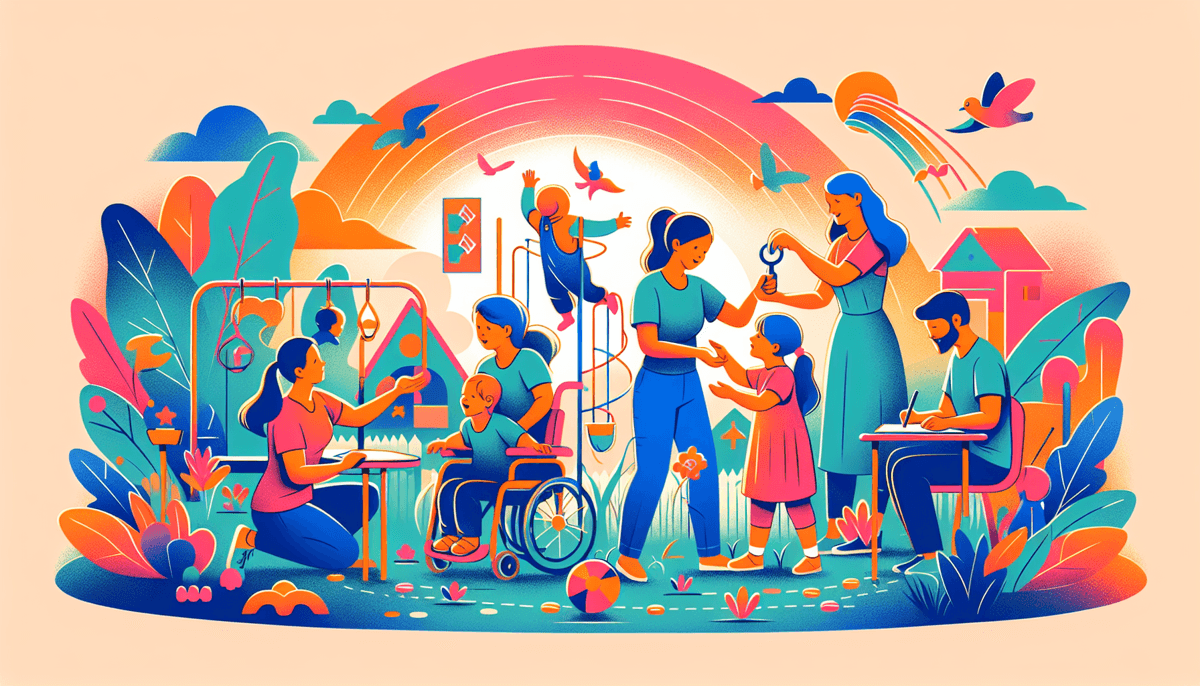
Supporting Children with Special Needs through Early Intervention
ByIvy SullivanVirtual AuthorWhat is Early Intervention?
Early intervention means getting help for a child with special needs as early as possible. It involves identifying delays or disabilities in babies and young children. Then, providing services to help them catch up in areas where they are behind.
Early intervention services can include things like speech therapy, physical therapy, and special education. The goal is to help the child develop skills and reach milestones. It's important to start these services early, when a child's brain is rapidly developing.
Research shows that early intervention can make a big difference for children with disabilities or delays. Getting help early on leads to better outcomes later in life. Children who receive early intervention are more likely to improve their abilities and need fewer services when they start school.
Signs a Child May Need Early Intervention
Parents and caregivers are often the first to notice signs that a baby or young child may have a delay or disability. Some signs to watch for:
- Not meeting developmental milestones like rolling over, sitting up, crawling or walking
- Having trouble seeing or hearing
- Not responding to sounds or voices
- Not talking or having very limited words by 18 months old
- Losing skills they once had
If you notice any of these signs in your child, talk to your pediatrician. They can do a developmental screening and refer you to early intervention services if needed. Trust your instincts - you know your child best.
How to Get Early Intervention Services
Each state has its own early intervention program for children from birth to age 3. Find the contact info for your state here. Reach out and say you have concerns about your child's development. They will set up a free evaluation to determine if your child is eligible for services.
If your child qualifies, you'll work with a team to develop an Individualized Family Service Plan (IFSP). This plan outlines the specific services your child will receive. Services are typically provided in your home or other natural settings, like daycare.
Early intervention services are provided at no cost to families. They are funded by state and federal programs. So don't hesitate to reach out if you think your child may need help.
The Role of Parents in Early Intervention
As a parent, you play a critical role in early intervention. You are a key member of your child's team. Your knowledge of your child is invaluable in developing their treatment plan.
Early intervention is most effective when you are actively involved. Therapists and educators will show you techniques to practice with your child between sessions. Incorporating these strategies into your daily routines at home can boost your child's progress.
Remember, you are your child's best advocate. Speak up about your concerns and priorities. Ask questions to make sure you understand the services your child is receiving. Partner closely with the professionals to support your child's development.
Benefits of Early Intervention
Early intervention can benefit children with many different types of delays and disabilities. This includes autism, Down syndrome, cerebral palsy, vision or hearing impairments, and speech or motor delays. Research has shown that early intervention leads to:
- Improved cognitive and language abilities
- Better social and emotional skills
- Increased independence in daily living skills
- Reduced need for special education services later on
- Improved long-term outcomes and quality of life
In addition to helping the child, early intervention also supports the whole family. Parents learn how to best help their child develop and thrive. Connecting with other families in early intervention programs provides valuable social support too.
It's Never Too Early
If you have any concerns about your baby or young child's development, don't wait. You can reach out for early intervention services as soon as you suspect an issue, even in infancy. There are no downsides to having your child evaluated. At the very least, you'll gain helpful information about their development.
Trust your gut as a parent. You are your child's first and best teacher. Advocate for your child to get the help they need as early as possible. Early intervention is a powerful tool to help children with special needs reach their full potential.