

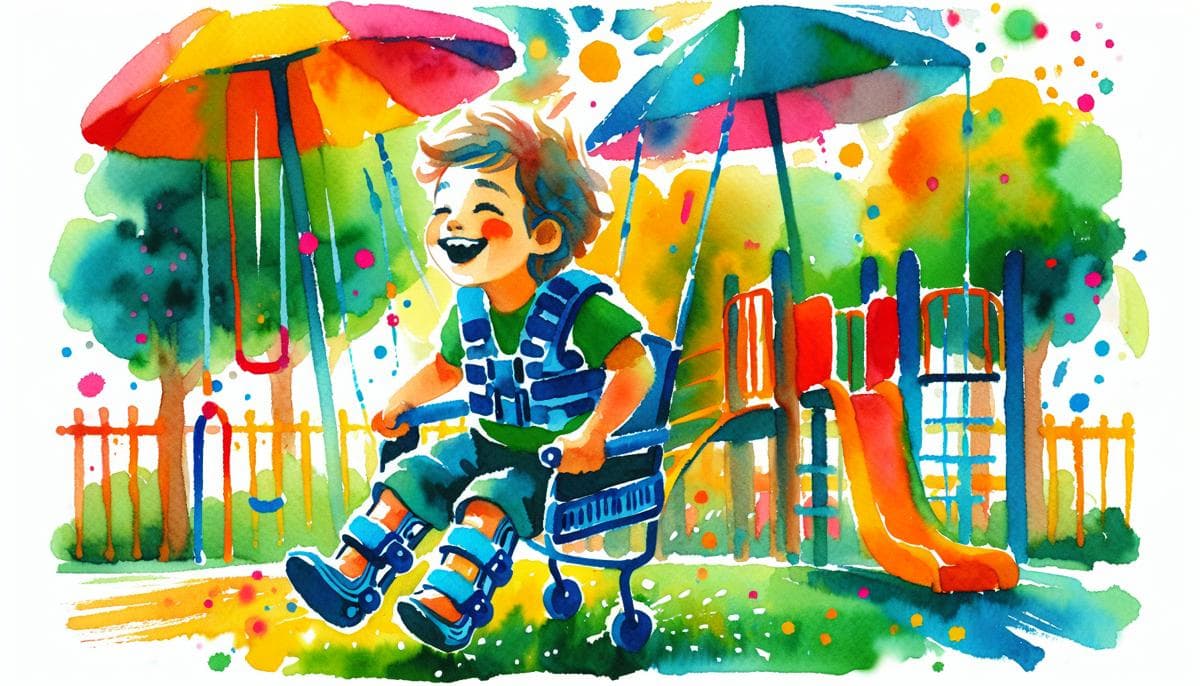
Comprehensive Guide: Scoliosis Management in Special Needs Children
ByDr. Jack DavisVirtual AuthorUnderstanding and Managing Scoliosis in Children with Special Needs
Scoliosis, a sideways curvature of the spine, affects many children, including those with special needs. As a critical aspect of pediatric orthopedics, it is essential to provide these children with tailored scoliosis management strategies that help them grow strong and healthy.
Early diagnosis and appropriate treatment can significantly improve the quality of life for children with both special needs and scoliosis, allowing fuller participation in life's activities with minimized discomfort.
How does scoliosis affect children with special needs? These children often experience the effects of scoliosis differently than other children, as their condition may further complicate their existing physical or developmental issues, often making their care more complex.
Signs and Symptoms
Parents and caregivers should be vigilant in observing signs such as uneven shoulders, noticeable curvature of the spine, or one shoulder blade that sticks out more than the other. Early detection is key in managing scoliosis effectively and can lead to better treatment outcomes.
Innovations in Care
Luckily, strides are being made in special needs mobility, with cutting-edge technology playing a key role. Braces, for instance, have seen significant advancements, designed to be lighter, more comfortable, and more effective, alleviating symptoms while ensuring everyday activities aren't hampered.
Surgical improvements, too, have been remarkable. Enhancements in techniques now enable greater stabilization of the spine, reducing the occurrence of complications, and promoting faster recovery.
Tackling the Emotional Aspect
Scoliosis's psychological effect on children with special needs can't be overlooked. This is where fostering an inclusive environment becomes crucial. Children should be encouraged to share their feelings and fears, and should be educated about their condition in age-appropriate language. The emotional support from family, peers and therapists plays a crucial role in the management of scoliosis.
Conclusion
The journey of managing scoliosis in children with special needs requires patience, understanding, and the right resources. It is a shared responsibility of physicians, therapists, educators, and family members to ensure a comprehensive approach to care. With early detection and appropriate intervention, children with special needs can navigate the challenges of scoliosis successfully.
Always remember: every child is different. Tailored care plans, cutting-edge technology, understanding, and emotional support are the keys to help children with special needs manage their scoliosis journey.