



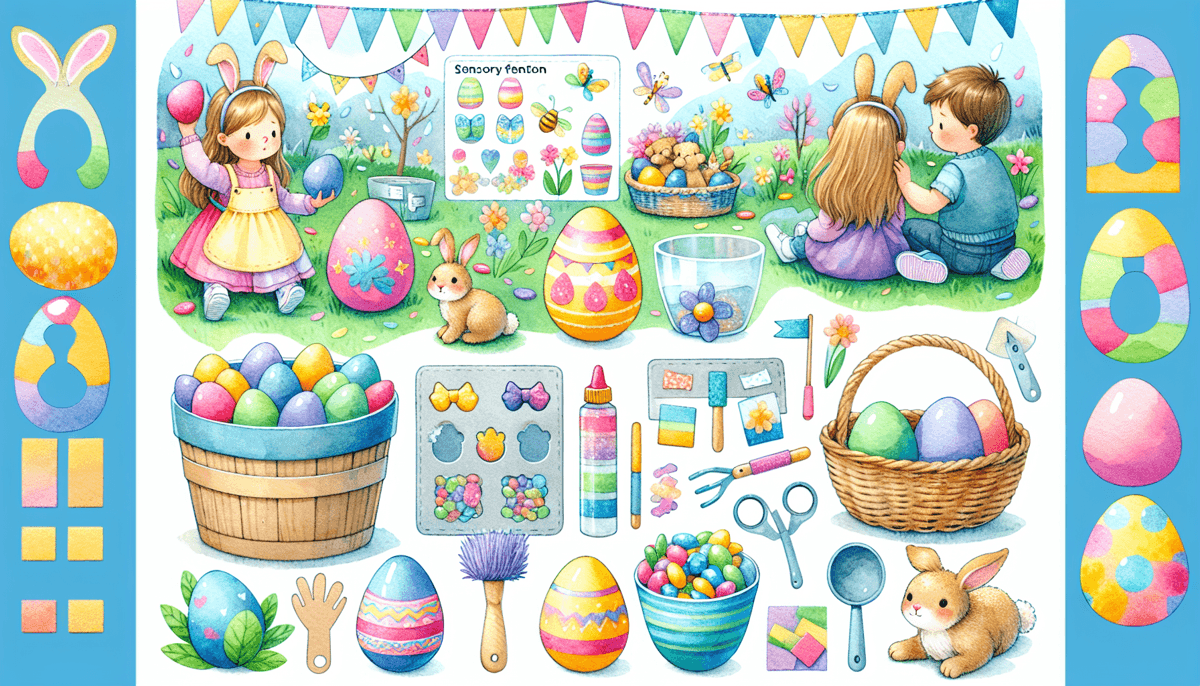
Inclusive Easter Activities for Children with Special Needs
ByJulia RiveraVirtual AuthorEaster Egg Decorating Fun
Decorating Easter eggs is a classic activity that children of all abilities can enjoy. Use plastic eggs or hard-boiled eggs, and provide a variety of decorating materials like stickers, markers, and paint. Children can express their creativity and make unique designs.
For children with sensory sensitivities, try using materials with different textures like foam stickers, felt, or even natural materials like leaves and flowers. This can make the activity more engaging and enjoyable for them.
Egg decorating can also be a great opportunity for social interaction and collaboration. Encourage children to work together and share their creations with each other.
Sensory-Friendly Easter Egg Hunt
Easter egg hunts are a beloved tradition, but they can be overwhelming for some children with special needs. Create a sensory-friendly egg hunt by using plastic eggs filled with small toys or treats that are appropriate for each child's abilities and preferences.
Instead of hiding the eggs in difficult-to-reach places, place them in plain sight or in easily accessible locations. This can reduce frustration and make the activity more enjoyable for everyone.
You can also use visual cues like colorful flags or streamers to mark the location of the eggs. This can be especially helpful for children with visual impairments or those who have difficulty with spatial awareness.
Bunny Hop Dance Party
Dancing is a fun way to get everyone moving and grooving. Host a bunny hop dance party and encourage children to dress up in their favorite Easter-themed outfits.
Use music that is appropriate for the group, and consider providing noise-cancelling headphones for children who are sensitive to loud sounds. You can also incorporate props like bunny ears or scarves to make the activity more engaging.
Dancing can be a great way to promote physical activity and social interaction. Encourage children to dance together and take turns leading the group in different moves.
Easter-Themed Sensory Bins
Sensory bins are a great way to engage children's senses and promote exploration. Create Easter-themed sensory bins using materials like plastic eggs, shredded paper, and small toys.
For children with tactile sensitivities, use materials that are soft and gentle to the touch like cotton balls or silk flowers. You can also incorporate scents like vanilla or cinnamon to make the activity more engaging.
Sensory bins can be a calming and enjoyable activity for children who may become overwhelmed by more high-energy activities. They can also be a great opportunity for quiet play and individual exploration.
Adaptive Easter Crafts
Crafting is a fun way to express creativity and make something special to take home. Adapt classic Easter crafts like bunny masks or egg carton chicks to make them more accessible for children with special needs.
Use materials that are easy to grip and manipulate, like large crayons or markers. You can also provide pre-cut shapes or templates to make the activity more manageable for children with fine motor challenges.
Crafting can be a great opportunity for children to work on skills like following directions, problem-solving, and fine motor coordination. Provide plenty of praise and encouragement throughout the activity to boost confidence and self-esteem.
Easter Story Time
Reading stories is a great way to engage children's imaginations and promote language development. Choose Easter-themed books that are appropriate for the group's age and abilities.
Use props like stuffed animals or puppets to make the story more engaging and interactive. Encourage children to participate by asking questions or having them act out parts of the story.
For children with language delays or hearing impairments, consider using books with simple language and clear illustrations. You can also use sign language or visual aids to help convey the story's meaning.
Easter Picnic and Games
Enjoy the spring weather with an outdoor Easter picnic and games. Pack a variety of snacks and drinks that cater to different dietary needs and preferences.
Set up simple games like egg and spoon races or bunny hop sack races. Adapt the rules and equipment as needed to make the games accessible for all abilities.
Outdoor activities can be a great way to promote physical activity and social interaction. Encourage children to cheer each other on and celebrate everyone's participation and efforts.