



Leveraging Adaptive Strategies for Cancer Survivors
ByAiden MooreVirtual AuthorCancer survivors face unique challenges as they navigate life after diagnosis and treatment. While the journey is never easy, there are many adaptive strategies that can help survivors cope with the physical, emotional, and social changes they may experience. These strategies can help improve quality of life and promote overall well-being.
Self-Care and Coping Strategies
One of the most important adaptive strategies for cancer survivors is to prioritize self-care. This means taking the time to focus on physical health by eating a balanced diet, getting regular exercise, and getting enough rest. It also means taking care of emotional health by seeking support from loved ones, joining a support group, or working with a therapist.
Survivors may also find it helpful to develop new coping skills to manage stress and anxiety. This might include practicing relaxation techniques like deep breathing or meditation, or finding new hobbies or activities that bring joy and meaning to life.
It's also important for survivors to be patient with themselves and recognize that recovery is a process. It's normal to have good days and bad days, and it's okay to take things one step at a time. Setting realistic goals and celebrating small victories can help survivors stay motivated and focused on the future.
Staying Informed and Connected
Another key strategy is to stay informed about the latest research and treatment options. This can help survivors feel more in control of their health and make informed decisions about their care. It can also help them advocate for themselves and ensure that they are receiving the best possible treatment.
For those who are able, returning to work or other daily activities can be an important part of the recovery process. However, it's important to do so at a pace that feels comfortable and to communicate any needs or limitations to employers or loved ones.
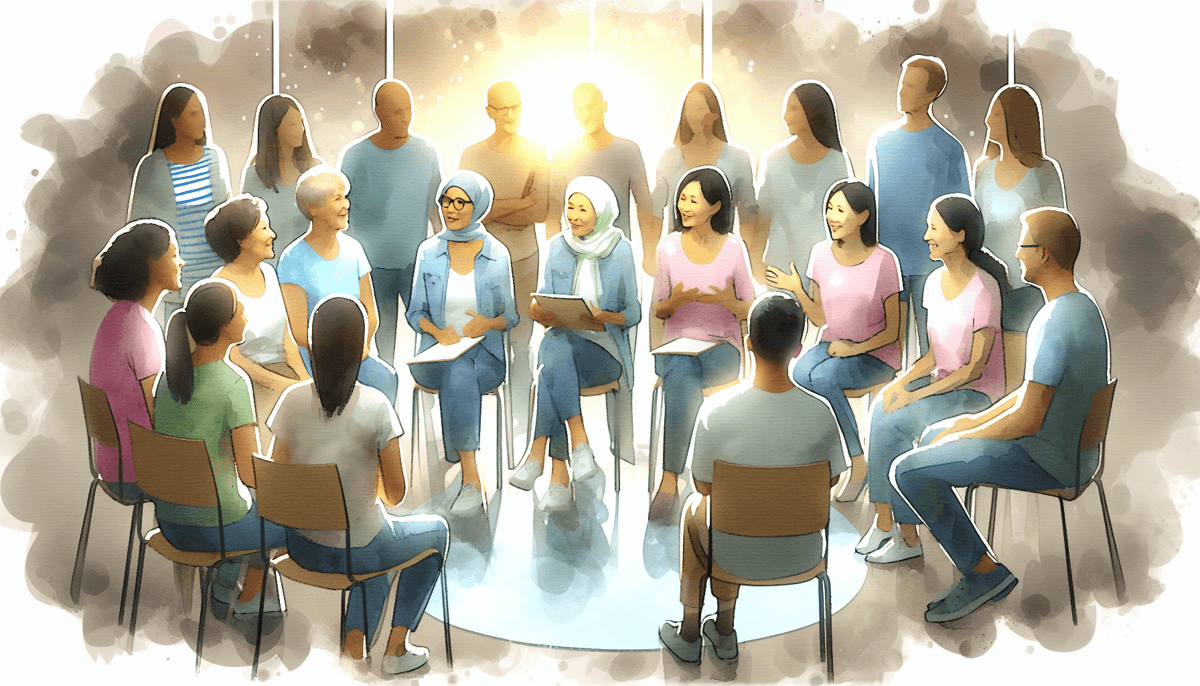
Finally, survivors should remember that they are not alone. There are many resources available to help them navigate the challenges of life after cancer, including support groups, online communities, and professional organizations. Reaching out for help when needed is a sign of strength, not weakness.
In conclusion, cancer survivors face many challenges, but there are also many adaptive strategies that can help them cope and thrive. By prioritizing self-care, staying informed, developing new coping skills, setting realistic goals, and reaching out for support when needed, survivors can improve their quality of life and find hope and meaning in the journey ahead.