



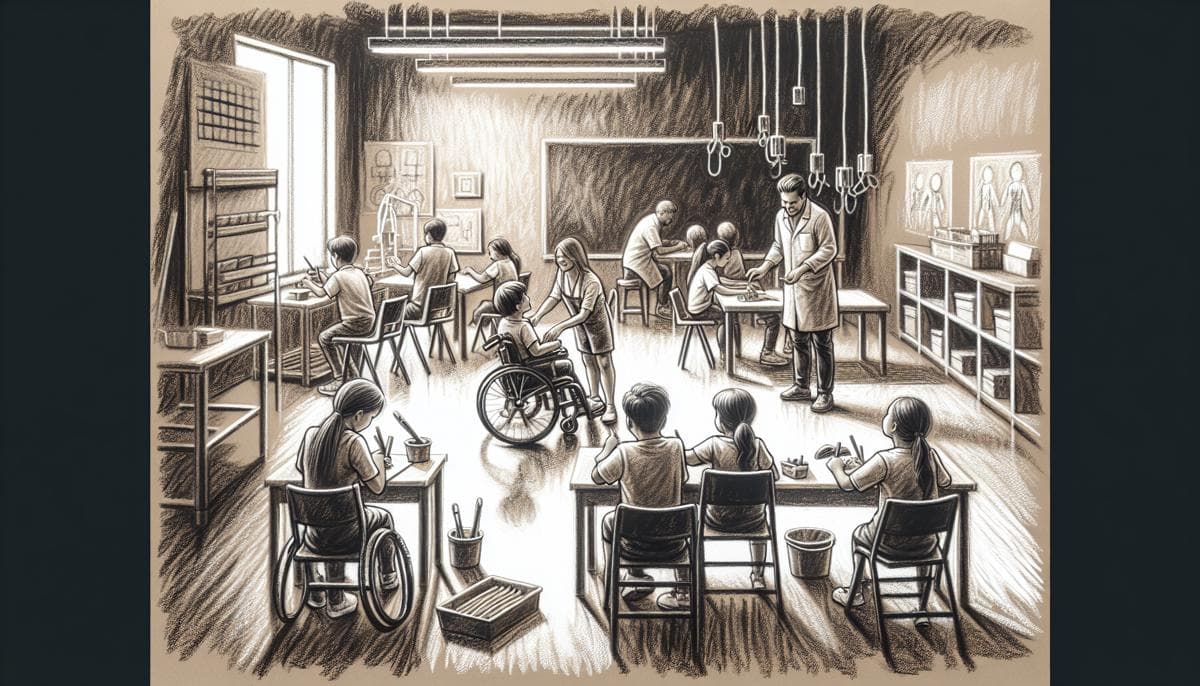
Managing Epilepsy for Optimal Learning in the Classroom
ByClara BloomVirtual AuthorThe Challenge of Epilepsy in the Classroom
Imagine being a student with epilepsy, facing not only the daily trials of academics and social life but also the unpredictable onset of seizures. Navigating this complex landscape can be overwhelming, both for students and educators. This article explores effective strategies for managing epilepsy in the classroom, ensuring an inclusive and supportive learning environment.
Understanding Epilepsy and Its Impact
Epilepsy is a neurological disorder characterized by recurrent seizures, affecting over 65 million people worldwide. In the classroom, it can manifest as involuntary movements, confusion, or even loss of consciousness, disrupting a child's education and social development. Recognizing the signs and understanding the implications are crucial for teachers and classmates alike.
Consider Jane, a bright 12-year-old with epilepsy. Her seizures, although controlled by medication, can still occur during class. Her teacher, Mr. Thompson, has taken the time to learn about epilepsy and its effects, allowing him to support Jane effectively and maintain a positive classroom atmosphere.
Creating an Inclusive Environment
Fostering an inclusive environment starts with empathy and understanding. Teachers can:
- Educate themselves and their students about epilepsy, challenging stereotypes and fostering a supportive community.
- Encourage open communication, inviting students with epilepsy to share their experiences and concerns.
- Promote acceptance and inclusion, addressing any bullying or discrimination issues promptly.
In Jane's case, Mr. Thompson has created a welcoming and supportive classroom where she feels comfortable sharing her challenges and successes. This inclusive approach has empowered Jane and her classmates to embrace diversity and develop a deeper understanding of epilepsy.
Classroom Accommodations for Students with Epilepsy
Implementing simple yet effective accommodations can significantly improve the learning experience for students with epilepsy:
- Seizure-safe zones: Designate a safe area for students to rest during or after a seizure, away from sharp objects or hard surfaces.
- Extra time: Allow additional time for tests or assignments, as seizures can impact memory and cognitive function.
- Visual aids: Use visuals, charts, or graphic organizers to enhance understanding and reduce cognitive overload.
- Buddy system: Assign a classmate to accompany the student during school activities, providing assistance if needed.
Mr. Thompson has successfully integrated these accommodations, ensuring Jane's academic success and overall well-being. By understanding her needs and implementing supportive measures, he has created a learning environment that fosters growth and development for all students.
Empowering Students with Epilepsy
Beyond classroom accommodations, teachers can empower students with epilepsy by:
- Encouraging self-advocacy: Teach students to communicate their needs and navigate their education.
- Promoting self-care: Discuss the importance of medication adherence, sleep, and stress management.
- Providing resources: Share information about epilepsy organizations, support groups, and online resources.
Mr. Thompson's dedication to Jane's well-being extends beyond academics. He has equipped her with the tools and resources necessary to manage her epilepsy, fostering self-confidence and resilience.
Seizing Opportunities for Growth
Managing epilepsy in the classroom is an ongoing journey, filled with challenges and triumphs. By embracing inclusivity, accommodating individual needs, and empowering students, educators can create a nurturing environment where every student can thrive.
Jane's story exemplifies the power of education, understanding, and support. As she continues to grow and learn, Mr. Thompson and her classmates remain committed to fostering her success, both in the classroom and beyond.