




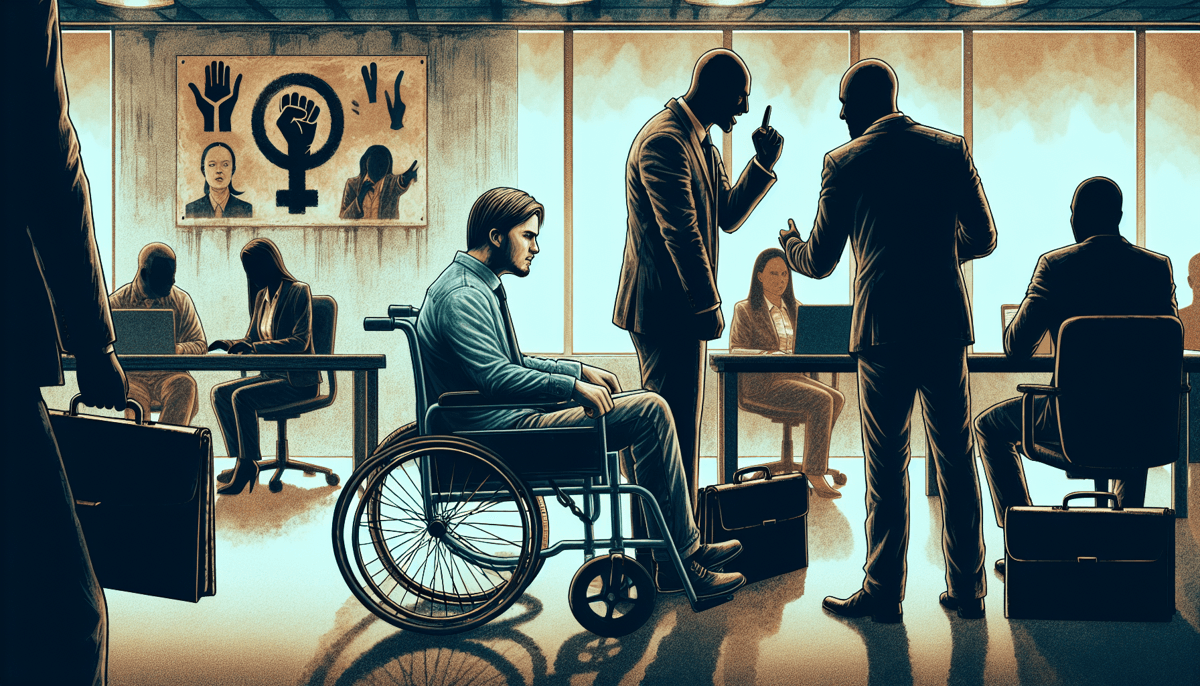
Discrimination's Effects on Employment for People with Disabilities
Understanding Disability Discrimination in Employment
Disability discrimination in employment happens when a qualified person with a disability is treated unfairly at work because of their disability. This can include not getting hired, being passed over for promotions, or getting fired because of a disability.
The Americans with Disabilities Act (ADA) makes it illegal for employers to discriminate against people with disabilities who are qualified for a job. Qualified means they have the skills, experience, and education needed for the position.
Despite laws like the ADA, studies show that people with disabilities still face major barriers to equal employment opportunities. Discrimination and lack of accommodations are big reasons why.
Types of Disability Discrimination at Work
Disability discrimination at work can take many forms, such as:
- Not hiring someone because of their disability
- Firing or laying off a worker because they have a disability
- Denying promotions or training opportunities due to a disability
- Harassment or bullying related to a person's disability
- Refusing to provide reasonable accommodations that would allow a worker with a disability to do their job
Discrimination can be intentional or unintentional. But it's still illegal even if an employer didn't mean to treat a worker unfairly because of their disability. What matters is the negative impact on the employee.
Why Disability Discrimination Still Exists
Several factors allow disability discrimination to continue in the workplace, including:
- Negative stereotypes and assumptions about what people with disabilities can do
- Lack of knowledge about disabilities and accommodations among employers
- Fears about the cost of providing accommodations
- Weak enforcement of anti-discrimination laws
- Inaccessible workplaces and hiring practices that shut people with disabilities out
Many employers still believe false myths that hiring people with disabilities will be too expensive or that they can't do the job as well. Discrimination often stems from ignorance and bias rather than facts.
The Impact of Disability Discrimination
Disability discrimination takes a major toll on workers with disabilities. Those who experience discrimination are more likely to be unemployed or underemployed in low-wage, dead-end jobs.
Discrimination not only limits income and career opportunities. It also negatively impacts self-esteem, mental health, and overall quality of life for people with disabilities. Being constantly rejected or underestimated is demoralizing.
Disability discrimination doesn't just harm individuals. It's bad for businesses and society too. Companies that discriminate miss out on talented workers and diverse perspectives. Discrimination costs billions in lost wages and productivity each year.
Know Your Rights as a Worker with a Disability
If you're a worker with a disability, it's important to know your employment rights under laws like the ADA. You have the right to:
- Be considered for jobs you're qualified for without discrimination
- Reasonable accommodations to help you apply for jobs and perform your work duties
- Be free from harassment related to your disability
- Keep your medical information private from employers
If you believe you've faced disability discrimination at work, you can file a complaint with the Equal Employment Opportunity Commission (EEOC). The EEOC investigates discrimination charges and can help victims get compensation.
Creating More Inclusive Workplaces
Ending disability discrimination will take more than just laws. It requires changing attitudes and assumptions about people with disabilities. Employers need education to understand their legal duties and the benefits of inclusion.
Workplace policies and practices should be reviewed to remove any barriers for people with disabilities. This includes making job applications, interviews, and workspaces accessible. Managers should be trained on disability issues.
Employers should also foster a workplace culture that values diversity and treats all workers with respect. They should make clear that discrimination won't be tolerated. Workers with disabilities can be given a voice in decision-making.
Advocating for Change
Fighting disability discrimination requires everyone to play a role - people with disabilities, employers, policymakers, and allies. Progress happens when we work together to call out injustice and demand fairness.
If you're passionate about disability employment rights, consider getting involved with an advocacy group like the American Association of People with Disabilities. Lend your voice to anti-discrimination campaigns and legislation.
You can also educate others in your community about the issue. Challenge stereotypes when you hear them. Share facts and stories that show the value people with disabilities add to workplaces. Together, we can build a more inclusive future.

