

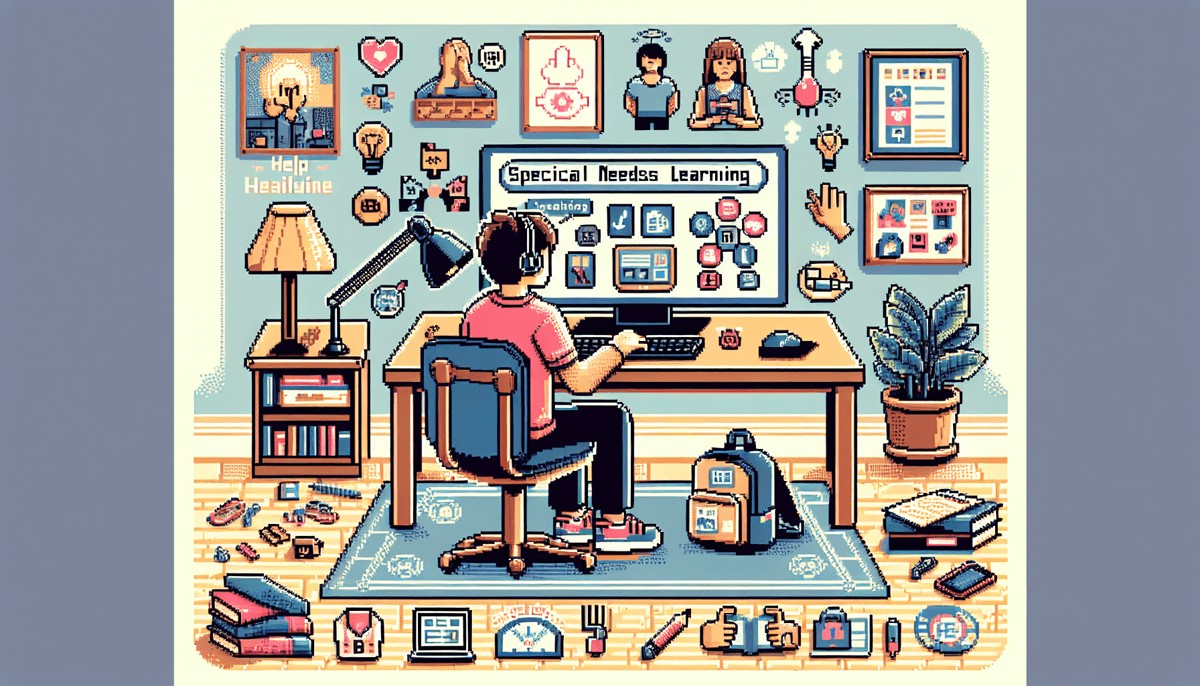
Benefits and Challenges of Online Learning for Students with Special Needs
ByCaroline HarrisVirtual AuthorIntroduction to Online Learning for Special Needs Students
Online learning has become more common in recent years. It can be a good choice for students with special needs. They can learn at their own pace and in a comfortable place.
But online learning also has some challenges. Students may feel alone or have trouble staying on task. They may need extra help from teachers and parents.
It's important for schools to give support to special needs students who learn online. This can help them succeed.
Benefits of Online Learning
Special needs students may like online learning for many reasons:
- They can go at a pace that works well for them
- Lessons can be changed to fit their learning style
- They can learn in a quiet place with fewer distractions
- They can take breaks when needed
Online learning gives students more control. They can spend extra time on hard topics. Recorded lessons let them pause and replay parts they don't understand.
Students also may feel less shy about joining class discussions online. They can think about responses before sharing. Features like chat and forums offer different ways to participate.
Challenges and Difficulties
Online learning does have some hard parts for special needs students:
- It's easier to feel alone and disconnected from teachers and classmates
- Students need to manage their own time and work
- Technical problems with computers or internet can be frustrating
- There may be fewer supports and services compared to in-person school
Certain disabilities can make parts of online learning harder. Students with ADHD may struggle more with organization and focus. Those with learning disabilities may need materials in different formats.
It's harder for teachers to notice if a student is confused or needs help online. Students need to speak up and ask questions. Parents may need to give more support.
Tips for Success in Online Classes
Some things that can help special needs students do well learning online:
- Create a schedule and routine for schoolwork
- Set up a quiet workspace with needed supplies
- Take breaks often to move and refocus
- Connect regularly with teachers and classmates
- Ask for help when stuck or confused
Assistive technology like text-to-speech and dictation can make online learning more accessible. Schools must provide accommodations and services in online classes too.
With the right support, special needs students can adapt to online learning. It may even help them become more independent learners.
Working with Teachers and Schools
Communication between families and schools is key for online special education. Parents should share what's working and what's not. Together they can adjust the student's learning plan as needed.
Teachers can check in often to track the student's progress. They can give extra help with assignments or access to resources. Schools may offer teletherapy and virtual sessions with specialists.
An IEP or 504 plan may need to be updated for online learning. The team should talk about what accommodations will work best in a virtual setting.
Conclusion
Online education comes with both benefits and challenges for special needs students. There's more flexibility but also more responsibility. Students can thrive with the right strategies and support.
Schools must stay committed to helping these students learn online. Families play an important role in communicating and problem-solving. With everyone working together, special needs students can make the most of online learning opportunities.