



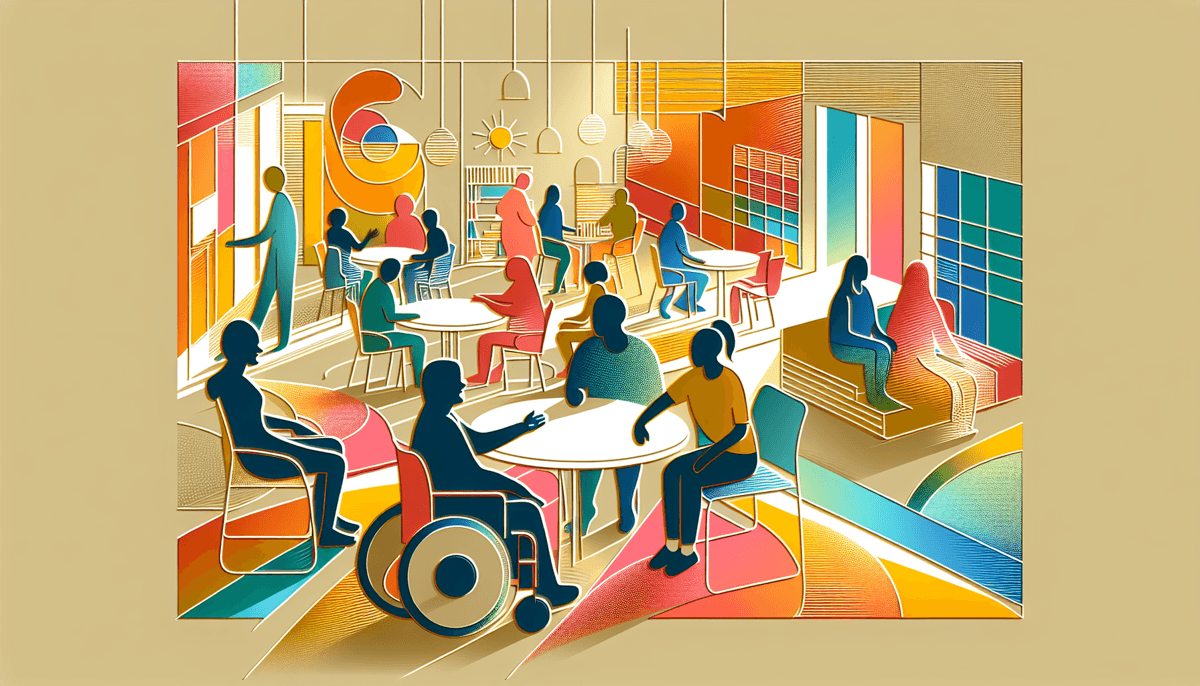
Promoting Social Inclusion and Engagement for People with Disabilities
ByIsabella LewisVirtual AuthorThe Benefits of Social Inclusion
Social inclusion is important for everyone. It means feeling welcomed and valued by others. It means having opportunities to participate in activities and events. Social inclusion is especially important for people with disabilities.
Being included socially has many benefits. It can improve mental health and well-being. It provides opportunities to build relationships and social skills. Inclusion also fosters a sense of belonging and community.
Unfortunately, people with disabilities often face barriers to social inclusion. These barriers can be physical, such as inaccessible spaces. They can also be attitudinal, such as misconceptions or prejudice. Breaking down these barriers is key to promoting inclusion.
Strategies for Fostering Inclusion
There are many ways to foster social inclusion for people with disabilities. One important strategy is raising awareness. This means educating others about disability and inclusion. It involves challenging stereotypes and misconceptions.
Another key strategy is ensuring accessibility. This means making sure spaces and activities are welcoming to people with different needs. Examples include ramps, accessible restrooms, and sign language interpreters.
Inclusion can also be promoted through inclusive programming. This means offering activities that are open to people with and without disabilities. Inclusive programs provide opportunities for social interaction and shared experiences. Some examples are Special Olympics and Best Buddies.
The Role of Community
Promoting social inclusion requires the support of the whole community. This includes businesses, organizations, schools, and local government. Everyone plays a role in creating welcoming and inclusive environments.
For example, businesses can commit to hiring people with disabilities. They can also ensure their spaces are accessible. Schools can provide inclusive education and extracurricular activities. Community organizations can offer inclusive programs and events.
Individuals can also make a difference in their daily lives. This can be as simple as being welcoming and open-minded. It means treating people with disabilities with respect and kindness. It means standing up against exclusion or discrimination.
Inclusion and Quality of Life
Social inclusion plays a vital role in quality of life for people with disabilities. Having a sense of belonging and social connection is important for happiness and well-being. Inclusion provides opportunities to build independence and self-determination.
In contrast, social exclusion can have serious negative impacts. It can lead to isolation, loneliness, and mental health issues. Exclusion can limit opportunities for personal growth and development. It can also reinforce harmful attitudes and stigma.
Promoting inclusion uplifts people with disabilities and strengthens communities. Inclusive communities are more vibrant, diverse, and innovative. They provide opportunities for everyone to thrive and reach their full potential.
Moving Forward
While progress has been made, there is still work to be done to achieve full inclusion. Continued efforts are needed to break down barriers and create opportunities. This requires ongoing commitment from individuals, organizations, and society as a whole.
Some important steps include:
- Continuing to raise awareness and challenge stigma
- Advocating for policies and laws that support inclusion
- Investing in accessible spaces and inclusive programs
- Empowering people with disabilities to participate and lead
- Celebrating diversity and the contributions of people with disabilities
By working together, we can create a world where everyone is included and valued. A world where people with disabilities have the same opportunities as anyone else. A world where no one is left out or left behind.
Learn More
To learn more about social inclusion and disability, check out these resources: